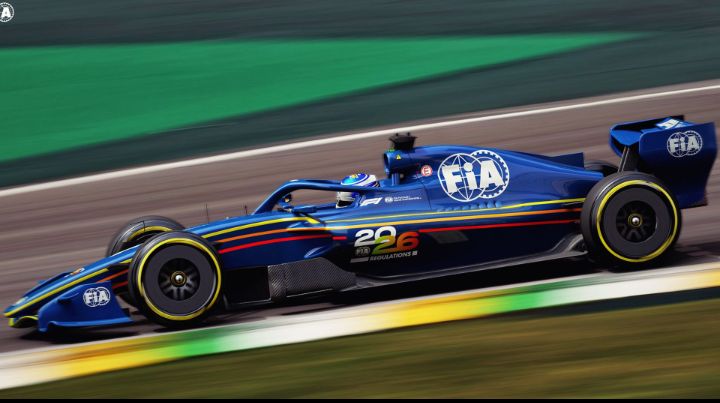
The 2026 Formula 1 cars and their new FIA regulations:
The 2026 Formula 1 season marks a major shift in car design, as the FIA introduces new technical regulations aimed at making racing more competitive, sustainable, and visually spectacular. The key changes focus on weight, aerodynamics, and car architecture, fundamentally altering how the cars look and perform on track.
1. Lighter Cars
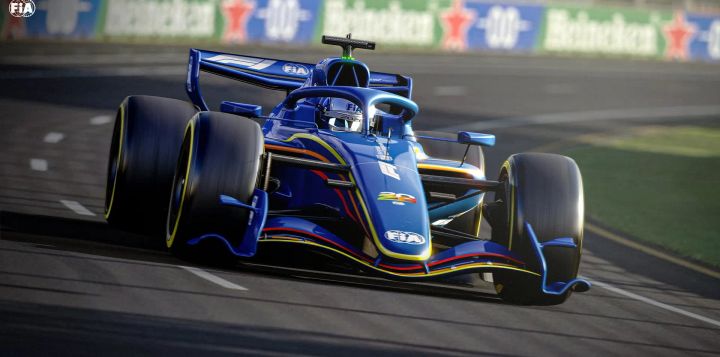
The 2026 F1 cars are significantly lighter than their predecessors.
Engineers have re-engineered the chassis and power units
2. Narrower Body Design
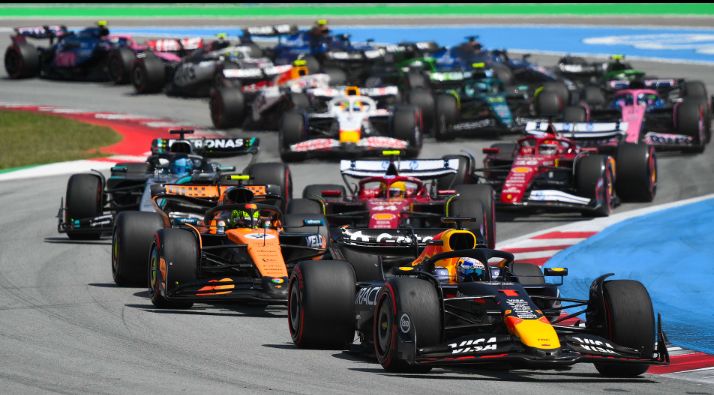
The new cars are slimmer and more streamlined, reducing aerodynamic drag.
The slimmer chassis allows drivers to follow each other more closely, minimizing the “dirty air” effect that historically made overtaking difficult.
The sleek design emphasizes high-speed stability while improving tire management over race distances.
3. Aerodynamic Innovations for Closer Racing
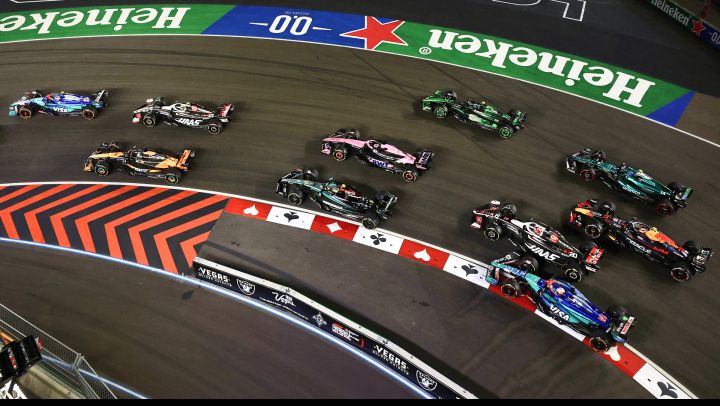
New ground-effect aerodynamics generate downforce from under the car rather than relying heavily on wings.
4. Sustainability and Power Unit Evolution
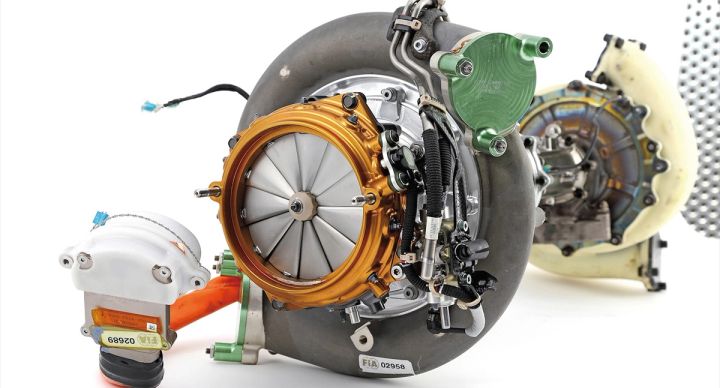
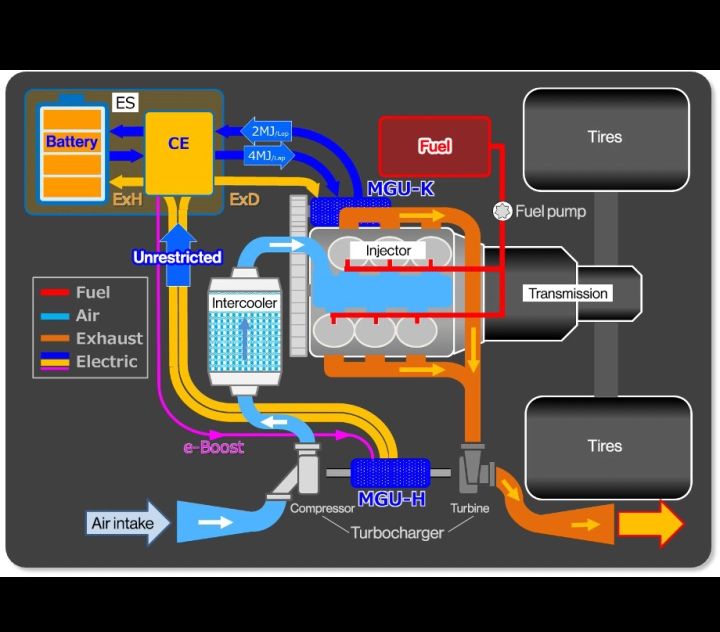
The 2026 regulations require 100% sustainable fuel, integrating electric-hybrid technology more deeply into the powertrain.
Engines are more efficient and lighter, complementing the chassis redesign and contributing to eco-friendly racing without compromising speed.
5. The Overall Impact
Fans can expect closer, more competitive races with higher chances of position changes.
Iconic circuits like Monaco, Silverstone, and Las Vegas will see tighter racing and more thrilling battles.
Teams will be challenged to balance speed, reliability, and tire performance under the new regulations, making strategy just as important as raw pace.
In short, the 2026 Formula 1 cars represent a new era of racing—sleeker, faster, and engineered for exciting, wheel-to-wheel action, while also embracing sustainability for the future of motorsport.
If you want, I can also create a visual comparison of 2025 vs 2026 F1 cars to show exactly how the narrower, lighter, and closer-racing designs look on track.
Do you want me to do that?ntegrating electric-hybrid technology more deeply into the powertrain.
Engines are more efficient and lighter, complementing the chassis redesign and contributing to eco-friendly racing without compromising speed.
Fans can expect closer, more competitive races with higher chances of position changes.
Iconic circuits like Monaco, Silverstone, and Las Vegas will see tighter racing and more thrilling battles.
Teams will be challenged to balance speed, reliability